
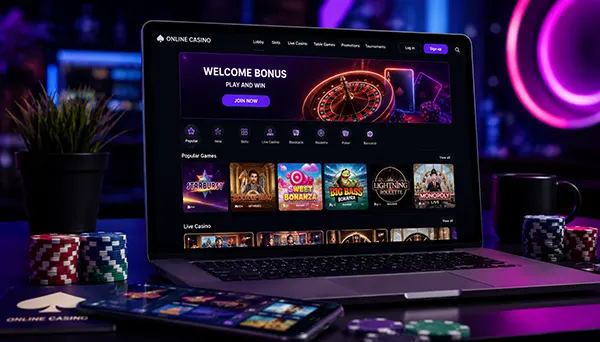
Personalising the Casino Experience: How Modern Players Choose Slots and Table Games Based on Mood
Online casino entertainment has become increasingly personalised in recent years. In 2026, players are no longer selecting games solely according to jackpot size, RTP percentages or bonus features. Many users now make decisions based on their current mood, available time and preferred level of mental engagement. Game libraries have expanded significantly, giving players the freedom to move between fast-paced slots, strategy-driven table games and live dealer experiences depending on how they feel at a particular moment.
Why Mood Has Become an Important Factor in Game Selection
Player behaviour studies conducted by major gaming operators show that emotional state often influences game choice more than mathematical characteristics. Someone looking to relax after work may prefer visually appealing video slots with calm soundtracks and simple mechanics. These games require minimal decision-making and allow players to enjoy short sessions without constant concentration.
Advanced filtering tools have also become standard. Players can sort games by volatility, theme, provider, RTP level, bonus features and gameplay style. When comparing different online casino environments, including casino No limit, many users focus on how easily they can find games that match their current interests and preferred style of entertainment without spending excessive time searching.
On the other hand, players seeking stimulation or excitement frequently choose high-volatility slots. These titles typically feature larger potential wins, bonus rounds and more dramatic gameplay. The anticipation created by less frequent but potentially significant rewards can match a player’s desire for a more energetic experience.
Different Moods Lead to Different Gaming Preferences
Many casino users adjust their choices according to available time and personal circumstances. Quick sessions during a lunch break often favour mobile-friendly slots, while longer evening sessions may encourage participation in live dealer games or traditional table games that require greater attention.
Players who want a sense of familiarity often return to classic fruit machines and traditional three-reel slots. These games provide straightforward gameplay and predictable structures, which many users find comforting during casual sessions.
When players are in a more social mood, live casino products become increasingly attractive. Live blackjack, roulette and baccarat allow interaction with professional dealers and, in some cases, other participants. This creates a more engaging atmosphere compared with standard digital games.
How Casino Operators Support Personalised Experiences in 2026
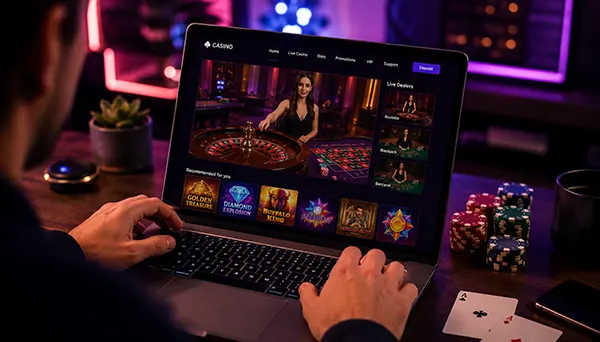
Modern gaming sites increasingly use behavioural data to organise game catalogues around player preferences. Recommendation systems analyse previous activity, favourite game categories and session patterns to suggest titles that align with individual interests.
Competitive moods often lead users towards poker variants, blackjack or game-show-style products that involve decision-making. These options provide opportunities to apply knowledge, evaluate probabilities and feel actively involved in the outcome of each round.
Mobile technology has further strengthened personalisation. Since many users switch between devices throughout the day, gaming history and preferences are synchronised automatically. This allows players to continue sessions seamlessly regardless of whether they are using a smartphone, tablet or desktop computer.
The Future of Mood-Based Casino Gaming
Industry analysts expect personalisation to become even more sophisticated over the coming years. Artificial intelligence systems are already improving recommendation accuracy by identifying patterns in player behaviour and adapting suggestions accordingly.
Game developers are also experimenting with flexible gameplay designs. Some modern titles adjust presentation elements, sound settings and feature frequency to accommodate different playing preferences while maintaining fairness and regulatory compliance.
As competition within the online casino sector continues to grow, understanding player mood and preferences is becoming a key part of user experience design. Rather than focusing exclusively on potential winnings, many players now seek entertainment that matches how they feel at a particular moment, making personalisation one of the defining trends of casino gaming in 2026.